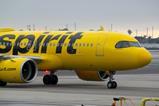
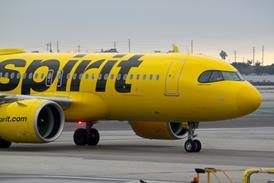
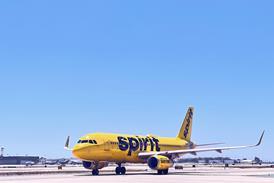













Spirit Airlines is shedding more metal with plans to reject leases covering an additional 11 Airbus A320-family jets.
The ultra-low-cost carrier (ULCC) says its latest fleet-reduction move – on the heels of rejecting 58 aircraft leases in October – is another aimed at right-sizing capacity to sagging demand for discount airline seats.
Spirit filed a motion on 2 December to reject the leases of 11 A320s and A320neos with US Bankruptcy Court of the Southern District of New York. The airline lists “effective dates of rejection” ranging from mid-December to mid-February.
The lease-rejection plan has yet to be approved, however, as Spirits awaits a court hearing on 15 December.
Spirit’s decision appears to hinge on discussions with aircraft lessors as it attempts to rework agreements amid its Chapter 11 bankruptcy process.
Chief financial officer Fred Cromer calls the aircraft in question “nothing more than a cash drain”.
”While negotiations with the lessors… is ongoing, based on the current status of such negotiations, this excess equipment, I believe, is not necessary for Spirit’s continued operation or successful reorganisation,” Cromer says.
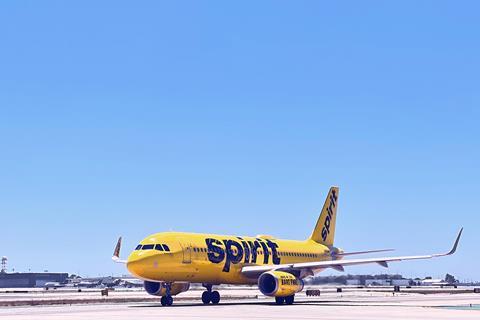
Spirit has bled cash for years, posting losses in 14 of the past 15 quarters, according to Airline Business data. That includes a $317 million loss in the third quarter.
Strikingly, Spirit’s third-quarter revenue declined year-on-year by 20%.
With a major network contraction underway, Spirit says aircraft leases have become financially burdensome.
The Florida-based low-cost carrier has long pursued sale-leaseback transactions, in which airlines sell new aircraft to lessors and then immediately lease them back. That strategy, along with direct leases, helped Spirit aggressively grow its all-Airbus narrowbody fleet in the years leading to the Covid-19 pandemic.
Indeed, the low-cost sector accounted for much of the US airline industry’s growth in the 2010s.
But many of Spirit’s lease agreements have taken on greater weight as the ULCC has struggled mightily in the post-pandemic period – particularly after its proposed acquisition by JetBlue Airways was blocked by a federal judge under the Biden administration.
Demand for low-cost seats has also broadly lagged pre-pandemic levels, with an increasing emphasis on premium seats across the US sector. Spirit has attempted to pivot with a range of new “upmarket” products.
But Spirit’s efforts have not stopped the bleeding and its massive fleet-reduction initiatives continue.
“Spirit entered into the leases and related agreements in a different economic climate than the one facing Spirit’s industry today and, unless go-forward terms of the leases can be agreed upon between Spirit and the lessors, such excess equipment is not necessary for Spirit’s revised business plan,” Cromer says.
He says the jets amount to “unused equipment… languishing in expensive storage space without generating any value for Spirit’s estates”.
Even after the major aircraft purge Spirit has undertaken in recent months, Cromer says it maintains a large enough fleet to run its business.
As of 2 December, Spirit says it maintains a fleet of 214 Airbus jets. However, fleets data from aviation analytics provider Cirium lists nearly 100 Spirit jets as “in storage”, meaning they have been parked for more than 30 days.
Spirit may not be done trimming, leaving open the possibility of further aircraft retirements and lease rejections.
“The debtors are continuing to consider methods for the return and surrender of certain aircraft, engines and other equipment in order to optimise their operations,” Cromer says.
Spirit recently acknowledged that operating for another year will be a struggle, and that an acquisition by another airline could be in play. But there is still a chance the ULCC can steady operations and move forward as a standalone company.